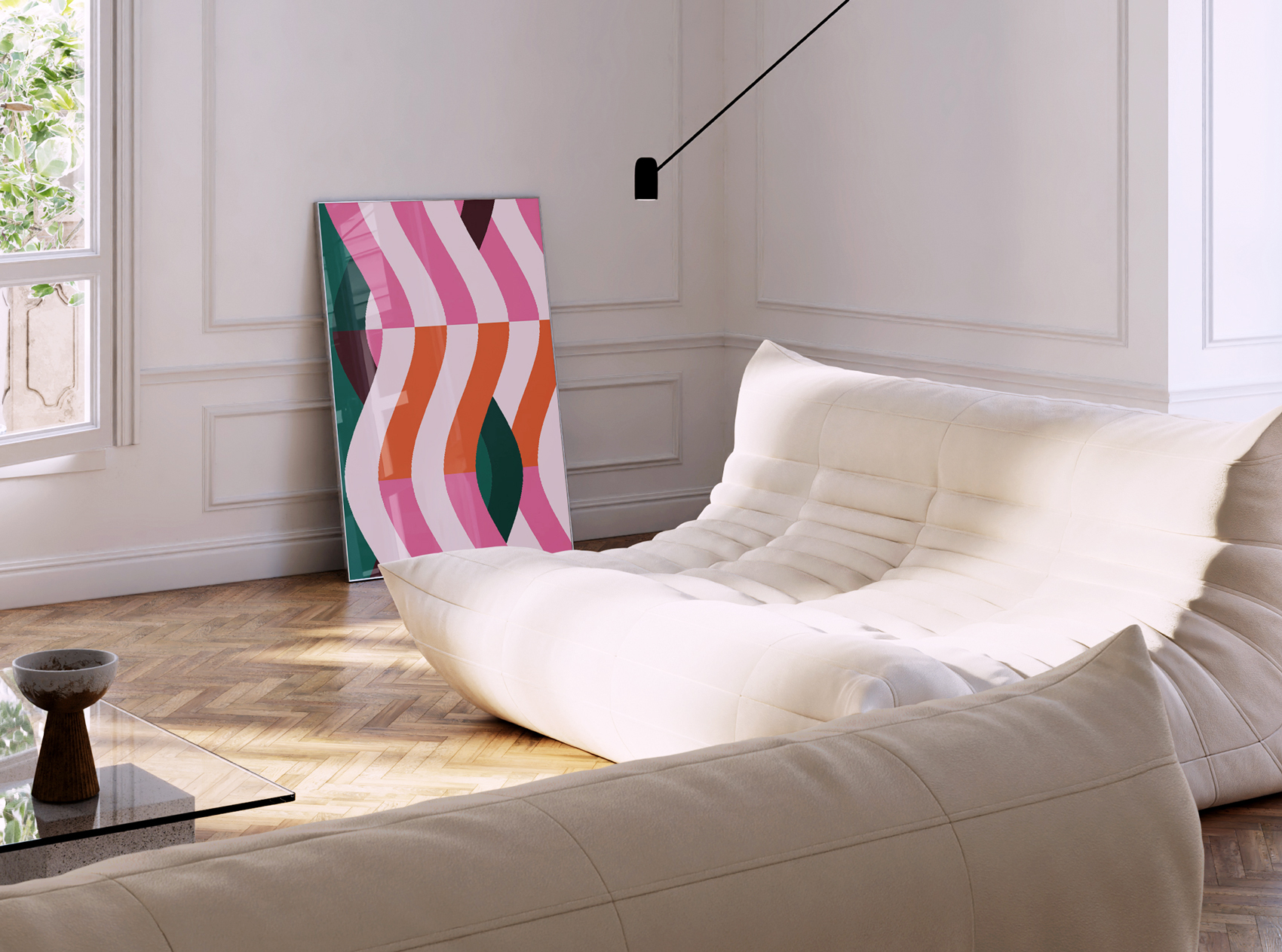
In 2020, during the first lockdown, we started building a brand from scratch. Not for a client — for ourselves. Storigraphic began as an idea conceived by our studio founders: a sustainable brand rooted in good design, UK manufacturing, and a genuine commitment to giving something back.
Five years later, it has had over 250 retail stockists including: many independents, Somerset House, Royal Academy, Selfridges, Barbican, Getty Museum, Papersmiths, Museum of the Home, National Galleries Scotland; it has sold to thousands of direct-to-consumer customers, recognised in industry awards, exhibited at international trade shows; and has had over 250 press features across titles such as Observer Magazine, Architectural Digest, The Independent, House Beautiful, Evening Standard, Financial Times, Prima, Metro, Home & Interiors, Good Homes, English Home, Good Housekeeping and Ideal Home.
The learning exceeded our expectations.
As designers, we have always understood brand. We understood how to build an identity that holds together across different media, how to write copy that sounds like a real person rather than a committee, how to design packaging that works at scale. What we had to learn — and learn quickly — was everything that has to work seamlessly in between: product development and manufacturing (sustainably in the UK), how a retail buyer and merchandiser actually decides what to stock, what a trade show stand needs to do in the first three seconds, what a Shopify product page genuinely needs to convert, how to price for wholesale margins without collapsing a DTC business, and what it takes to approach a retailer directly without sounding like you’ve sent the same email to many others.
Some of this knowledge exists in books and courses. Most of it, in our experience, you acquire firsthand by doing it — by packing your first trade show stand at all hours and being present at the event itself (from build to breakdown), by listening to your customers’ feedback, by reading a buyer’s rejection email carefully and understanding what it’s actually telling you, by analysing your metrics and realising that the product page you were proudest of has a thirty per cent bounce rate. And so much more.
We are not suggesting that every design studio should go and run its own brand. That can be a particular kind of expensive education. But we are saying that having done it has changed how we work with every brand client we take on.
We’ve formalised this into a service, Brand to Market, which is designed specifically for independent product brands who need more from a creative studio partner. If that sounds like it might be relevant to where you are, we’d be very happy to have a conversation.
In the meantime: if you’re building a product brand and have a question we might be able to help with, just ask. With five years dedicated experience of doing this means we have probably encountered it, and can help with your unique journey.
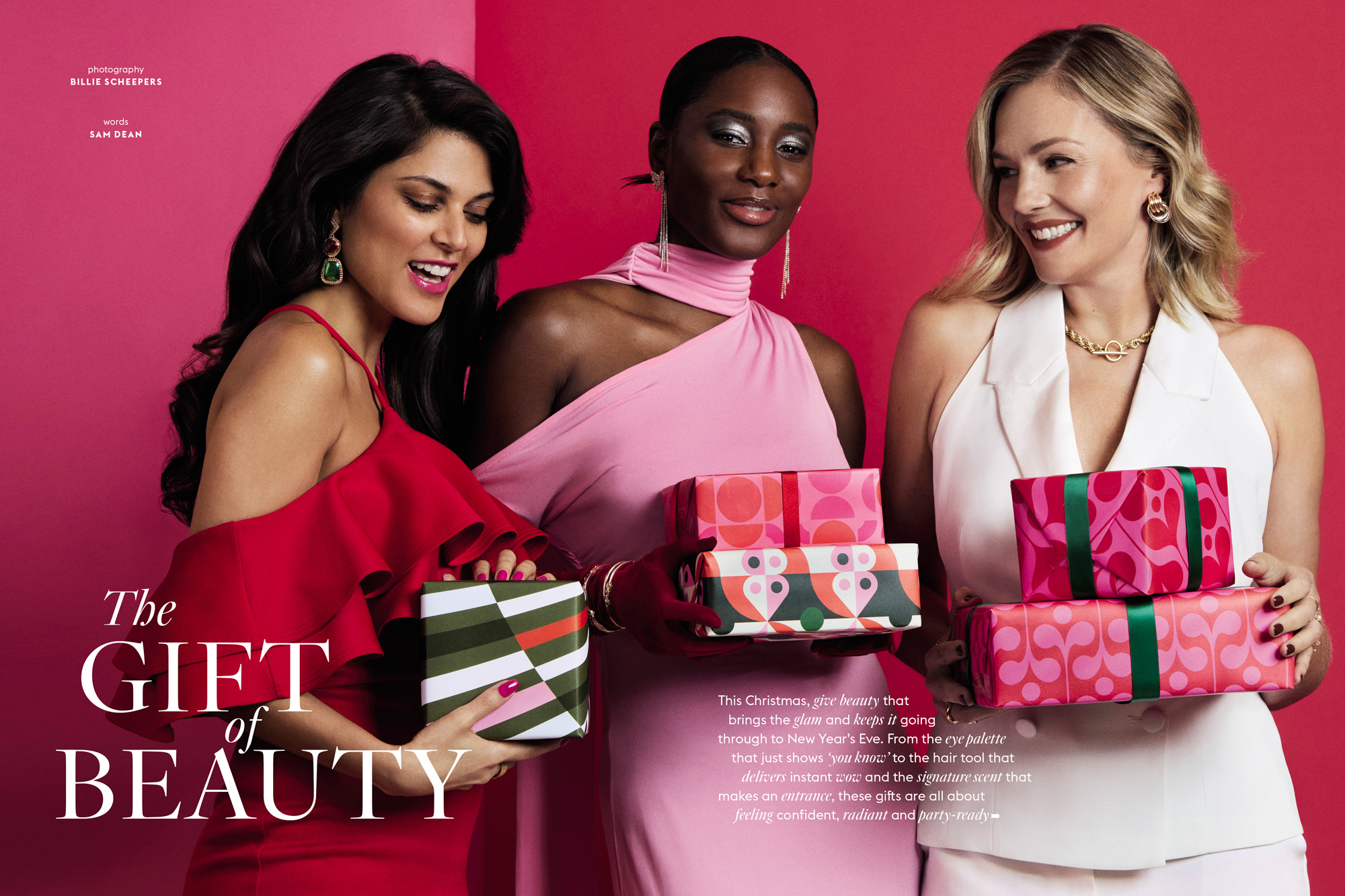
Photography: Billie Scheepers for Superdrug’s ‘The Edit’ Magazine — featuring Storigraphic wrapping papers: Sweetpea, Lovebug, Bountiful Festive Bloom, Candy Hearts, Boho Red 3, Symphony 2 and 6.